Best Brand Identity Services Explained
A business can have a good product, fair pricing and a hardworking team, but still struggle to get noticed. Sometimes, the problem is not what the business offers. It is how people see and remember it.
Think about the last time you visited a website, saw an advertisement or picked up a product from a store. Before you knew much about the company, you probably formed an opinion based on its appearance, message and overall presentation. That first impression can influence whether someone decides to explore further or simply moves on.
This is where brand identity becomes important.
Many business owners believe branding is mainly about designing a logo. A logo is certainly part of it, but a complete brand identity goes much further. It includes the colours, fonts, communication style, visual elements and overall experience that make a business recognisable.
For a new business, getting these elements right from the beginning can save time and confusion later. For an established company, professional brand identity services can help bring consistency to its marketing and create a clearer image in the market.
In this blog, we will explain why hiring a brand identity expert can be useful, what services are generally included and how to choose the right approach for your business.
What Is Brand Identity?

Brand identity is the way a business presents itself to the world. It is a combination of visual and verbal elements that communicate what the company does, what it stands for and how it wants customers to perceive it.
For example, imagine a company that uses one logo on its website, a different colour scheme on social media and an entirely different design style in its brochures. Even if the business provides excellent services, this inconsistency can make it harder for customers to recognise the company.
A clear brand identity brings these elements together.
It usually includes:
- Logo: The main visual symbol that represents the business.
- Colour palette: A set of colours used consistently across marketing materials.
- Typography: Fonts and text styles that help establish the brand’s personality.
- Brand messaging: The words and messages used to explain the company’s products, services and values.
- Visual language: Photography, illustrations, layouts and graphic elements.
- Brand guidelines: A document explaining how the identity should be used across different platforms.
A good identity is not simply something that looks attractive. It should also be practical, easy to recognise and suitable for the company’s audience.
Why Should You Hire a Brand Identity Expert?
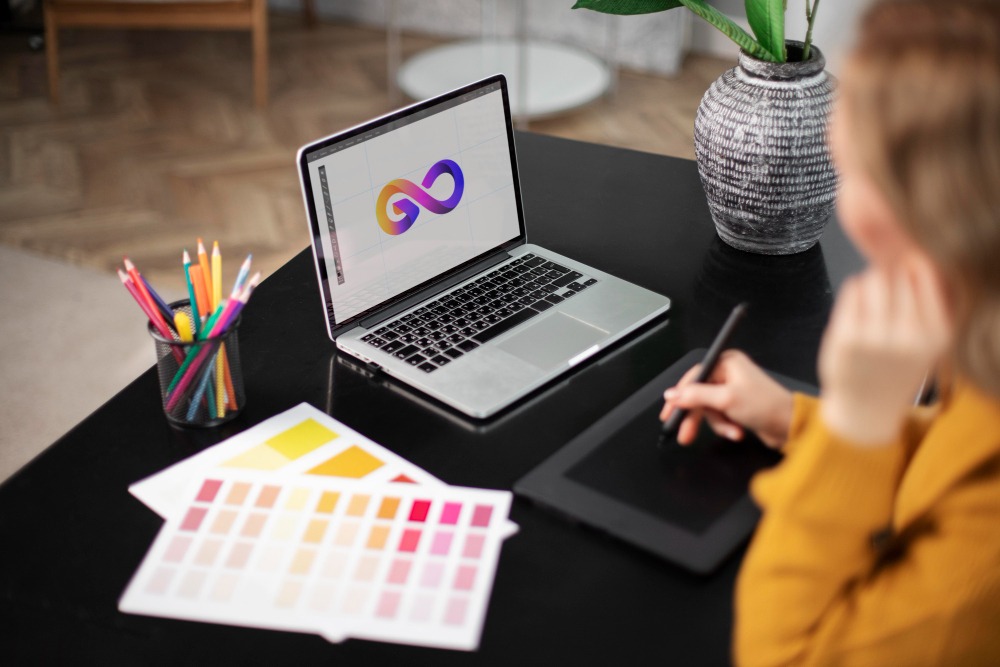
Creating a logo using an online tool is relatively easy. Building an identity that works across a website, advertisements, business presentations, packaging and other customer touchpoints requires a different level of planning.
A brand identity expert looks at the business as a whole instead of focusing only on its appearance.
Here are some reasons why professional support can make a difference.
1. Your Business Gets a Clear Direction
One common problem among growing businesses is that their communication changes depending on who is creating it. A social media designer may use one style, the sales team may use another, and the website may communicate something slightly different.
A brand identity expert helps establish a clear direction before design work begins.
They consider the business’s audience, market, competitors and long-term goals. This helps answer some basic but important questions:
- Who are we trying to reach?
- What makes our business different?
- What should customers remember about us?
- How should our brand look and sound?
- What kind of impression do we want to create?
When these questions are answered early, future marketing decisions become easier.
2. Your Brand Looks Consistent Everywhere
Customers may come across your business in several places before contacting you. They might see a Google advertisement, visit your website, check your Instagram page and then receive a proposal from your sales team.
If every interaction looks different, it becomes difficult to build a familiar identity.
Professional branding creates a common visual and communication system that can be followed across these channels. It does not mean every design has to look exactly the same. Instead, the elements should feel connected.
This consistency is especially useful when multiple employees, designers or marketing agencies work on the same brand.
3. It Helps Build Customer Confidence
People often make quick judgments about businesses based on their presentation. An organised website, clear messaging and professional-looking materials can help create confidence before a customer even speaks to the company.
Of course, branding alone cannot replace product quality, good service or customer support. But it can help communicate the professionalism that already exists within the business.
For companies operating in competitive markets, this can be an important part of the customer experience.
4. It Saves Time During Future Marketing Activities
Without a defined identity, every new marketing campaign can turn into a fresh design discussion.
Which logo should be used? What colour should the advertisement have? Which font matches the website? Should the tone be formal or conversational?
These small decisions can take up valuable time.
A brand identity system provides a reference for such decisions. Teams can work with approved logos, colours, templates and messaging guidelines instead of starting from scratch every time.
This is particularly helpful for businesses that regularly publish social media content, run paid campaigns or prepare sales presentations.
5. It Helps Your Business Stand Apart
In many industries, several companies offer similar products or services. Customers may find it difficult to understand the difference between them.
A brand identity expert can help a business communicate its particular strengths more clearly. This may involve a different visual approach, a more focused message or a presentation style that better reflects the company’s audience.
The aim is not to look different just for the sake of it. The identity should make sense for the business and support the position it wants to establish in the market.
Best Brand Identity Services Explained

Brand identity services can vary depending on the size of the company, its industry and its requirements. A startup may need a basic identity system, while an established business may require a complete brand refresh.
Below are some of the key services businesses can consider.
1. Brand Strategy and Positioning
Brand strategy is the foundation of the identity process. Before deciding on colours or designing a logo, it is important to understand what the business wants to communicate.
This service generally involves:
- Understanding the target audience.
- Reviewing competitors and market conditions.
- Identifying the company’s strengths and unique qualities.
- Defining brand personality and positioning.
- Establishing the main message the business wants customers to remember.
For example, a company selling premium interior products may need a different communication style from a business offering affordable home essentials. Both may operate in the same industry, but their customers and brand expectations can be different.
A clear strategy helps guide the creative work that follows.
2. Logo Design and Development
The logo is often the first thing people associate with a brand. It appears on websites, advertisements, packaging, business cards, invoices and many other materials.
A professional logo design service considers more than visual appeal. The logo should be:
- Easy to recognise.
- Suitable for the business and its audience.
- Readable at different sizes.
- Flexible enough for digital and print use.
- Available in colour, black, white and other practical versions.
A useful logo should work on a small social media profile picture as well as on a large signboard. This is why professional designers usually test their concepts in real applications rather than judging them only on a presentation screen.
3. Colour Palette and Typography
Colours and fonts have a major role in how a brand feels.
A business may want to appear modern, approachable, traditional, premium or technical. Its visual choices should support that personality.
A brand identity expert selects a primary colour palette, supporting colours and suitable typefaces. They also define how these elements should be combined.
For example, a company might use one font for headings and another for body text. The same colour system can then be applied to its website, brochures, social media designs and advertising creatives.
These decisions may seem small, but they help create a more connected visual experience.
4. Brand Messaging and Tone of Voice
Brand identity is not only visual. The way a company communicates is equally important.
Some brands use a formal and professional tone, while others communicate in a friendly and conversational way. Neither approach is automatically right or wrong. It depends on the audience and the nature of the business.
Brand messaging services can help define:
- A clear company introduction.
- Key brand messages.
- Taglines and short descriptions.
- Communication style.
- Preferred words and phrases.
- Guidelines for writing website and marketing content.
This makes it easier for different teams to communicate in a way that feels like it comes from the same company.
5. Brand Guidelines
A logo and colour palette are useful, but what happens when a new designer joins the team or an outside agency starts working on the brand?
Without proper instructions, small changes can gradually create inconsistency.
Brand guidelines solve this problem by documenting how the identity should be used. They may include logo spacing, approved colour codes, font hierarchy, image style, layout examples and common mistakes to avoid.
A good guideline document should be practical. It should help someone who was not involved in the original design understand how to use the brand correctly.
6. Stationery and Corporate Identity Design
Businesses still use many printed and official materials to communicate with customers, vendors and partners.
Corporate identity design can include:
- Business cards.
- Letterheads.
- Envelopes.
- Email signatures.
- Company profiles.
- Presentation templates.
- Invoices and document layouts.
These materials should follow the same identity as the website and other marketing channels. This helps the company maintain a consistent appearance in both online and offline communication.
7. Social Media Brand Identity
Social media is often one of the first places where customers interact with a business. A company may post regularly, but if every post follows a different design style, its page can feel disconnected.
Social media branding establishes a repeatable visual format for posts, stories, advertisements and other content.
This may include templates, typography rules, colour usage, image direction and layout styles.
The goal is to make content recognisable without making every post look identical. A consistent system allows creative variation while keeping the brand familiar.
8. Website and Digital Brand Identity
A website should feel like a natural extension of the brand rather than a separate design project.
Digital brand identity services help connect the website’s layout, colours, fonts, imagery and messaging with the overall identity.
This is particularly important for businesses that generate leads online. Visitors should be able to understand what the company offers, who it serves and how to contact it without unnecessary confusion.
The identity should also work across different screen sizes, including mobile devices, where many customers first discover a business.
9. Packaging and Product Branding
For product-based businesses, packaging is an important part of the customer experience. It is often the first physical interaction a buyer has with the brand.
Packaging design services can help create a consistent appearance across product labels, boxes, bags and other materials.
The design should consider practical requirements such as readability, product information, printing limitations and shelf visibility. A good-looking package is useful, but it also needs to work in the real conditions in which the product is sold.
When Is the Right Time to Hire a Brand Identity Expert?

There is no single stage at which every business needs professional branding. However, certain situations make it worth considering.
When launching a new business: Starting with a clear identity can prevent inconsistent design decisions as the company grows.
When your business has changed: A company that has expanded its services or entered a new market may need an identity that reflects its current position.
When your marketing looks disconnected: If your website, advertisements and social media pages feel like they belong to different companies, a brand identity review may help.
When entering a competitive market: A clearer brand presentation can help customers understand what makes your business different.
When working with multiple marketing teams: Brand guidelines can help designers, agencies and internal employees follow the same direction.
When preparing for expansion: New locations, products or customer groups may require a more organised brand system that can be applied consistently.
It is worth remembering that a complete rebrand is not always necessary. Sometimes, updating the guidelines, improving messaging or refining a few visual elements is enough.
Brand Identity and PPC Advertising: Why They Work Better Together

Brand identity and paid advertising are often handled as separate activities, but they have a close relationship.
PPC advertising helps businesses reach people who are actively searching for products or services. Brand identity helps those people recognise and understand the business when they see its advertisements and visit its website.
Consider a simple example.
A company runs a Google Ads campaign to generate enquiries. The advertisement attracts attention, but the landing page uses different colours, unclear messaging and a design that does not match the advertisement.
The visitor may still enquire, but the experience has introduced unnecessary confusion.
Now imagine the advertisement and landing page use the same visual style, clear messaging and a consistent presentation. The customer can move from the advertisement to the website with a better understanding of the business.
This does not guarantee a conversion, but it creates a more connected experience.
For businesses investing in paid advertising, brand identity can support:
- Consistent ad creatives.
- Clearer communication of services.
- Better alignment between advertisements and landing pages.
- More recognisable marketing materials.
- A consistent experience across different customer touchpoints.
At Adworth Media Pvt Ltd, PPC advertising is part of the digital marketing services offered to businesses looking to reach relevant audiences and generate enquiries. When paid campaigns are supported by a clear brand identity, businesses can maintain a more consistent message from the first advertisement to the final customer interaction.
How to Choose the Right Brand Identity Expert

Choosing a branding professional should not be based only on the appearance of their portfolio. It is also important to understand how they approach the work.
Here are a few practical points to consider before making a decision.
Ask about their process. A professional should be able to explain how they understand your business, develop concepts, collect feedback and finalise the identity.
Review real applications. Ask to see how their designs work on websites, packaging, social media or corporate materials, not just on a logo presentation.
Discuss deliverables clearly. Confirm whether the project includes logo files, colour codes, font details, guidelines and editable templates.
Check their understanding of your industry. They do not necessarily need experience in your exact sector, but they should be willing to understand your audience and business requirements.
Discuss future usability. Your team should be able to use the identity after the project is complete. Make sure the final files and instructions are organised and accessible.
Look for clear communication. Branding involves feedback and collaboration. A professional who listens carefully and explains design decisions can make the process easier.
The right expert should help you make informed decisions rather than simply asking you to choose whichever design looks attractive.
Common Brand Identity Mistakes Businesses Should Avoid

Even businesses that invest in branding can face problems if the identity is not planned or maintained properly.
Some common mistakes include:
- Treating the logo as the entire brand identity.
- Choosing colours only because they are currently popular.
- Copying the visual style of a competitor.
- Using too many fonts and design elements.
- Ignoring how the identity will appear on mobile screens.
- Creating brand guidelines but not sharing them with the team.
- Changing the visual style with every new marketing campaign.
- Focusing on appearance while leaving the brand message unclear.
One important point is that branding should not become a complicated exercise. A simple identity that is used consistently can be more practical than an elaborate system that nobody knows how to follow.
Final Thoughts
A strong brand identity is not created in a single design meeting. It develops through a clear understanding of the business, thoughtful creative decisions and consistent use over time.
Hiring a brand identity expert can help bring structure to this process. From strategy and logo design to messaging, guidelines and digital applications, professional services can make it easier for a business to present itself clearly across different platforms.
Whether you are launching a new company or improving an established one, start by asking a simple question: does the way we present our business reflect the value we actually offer?
If the answer is unclear, it may be time to review your brand identity.
And if you are investing in PPC advertising, make sure your brand presentation supports the experience customers receive after clicking your ads. Marketing works across multiple touchpoints, and they should feel connected.
Frequently Asked Questions (FAQs)
1. What does a brand identity expert do?
A brand identity expert helps businesses develop a consistent way of presenting themselves. Their work may include brand strategy, logo design, colour selection, typography, messaging, brand guidelines and applications across digital and print platforms.
2. Is brand identity the same as logo design?
No. Logo design is one part of brand identity. A complete identity includes the visual and verbal elements that help customers recognise and understand a business, such as colours, fonts, messaging, imagery and communication style.
3. How much do brand identity services cost?
The cost depends on the scope of the project, the experience of the designer or agency and the number of deliverables required. A basic logo project will generally involve a different level of work from a complete identity system with strategy, guidelines and multiple applications. It is best to request a proposal based on your actual requirements.
4. How long does a brand identity project take?
The timeline depends on the complexity of the work, the number of design concepts, feedback rounds and final deliverables. A basic project may take a few weeks, while a more comprehensive identity engagement can take longer.
5. Can a small business benefit from professional branding?
Yes. Small businesses can benefit from having a clear and consistent identity, even if they do not need a large branding project. A practical logo, colour system, messaging direction and basic guidelines can provide a useful foundation for future marketing.
6. Do I need to change my logo to improve my brand identity?
Not necessarily. If your existing logo is recognisable and still represents your business, you may only need to improve the supporting elements, such as typography, colours, messaging or guidelines. A complete redesign should have a clear business reason.
7. How does brand identity support PPC advertising?
Brand identity helps maintain consistency between advertisements, landing pages and other marketing materials. When customers encounter a connected visual style and clear messaging, they can more easily understand which business they are interacting with. This supports the overall advertising experience, although campaign performance also depends on targeting, offer, landing-page quality and other factors.
8. What should I receive after a brand identity project?
Depending on the agreed scope, deliverables may include logo files in different formats, colour codes, typography details, brand guidelines, social media templates, stationery designs and other approved brand assets. Always confirm the final deliverables before starting the project.
9. How often should a business update its brand identity?
There is no fixed schedule. A brand identity should be reviewed when the business changes significantly, enters a new market, expands its offerings or finds that its current presentation no longer reflects its goals. Regular review does not always mean a complete rebrand.
10. Can brand identity and digital marketing be planned together?
Yes. Planning them together can help maintain consistency across websites, social media, paid advertisements and other customer touchpoints. It also allows businesses to consider the complete customer journey rather than treating each marketing activity as a separate effort.
Build a Brand That Represents Your Business Clearly
Your brand is often the first introduction customers have to your business. Make sure that introduction is clear, consistent and aligned with the services you provide.
If you are planning to strengthen your online presence and generate more relevant enquiries, Adworth Media Pvt Ltd can help you explore PPC advertising solutions suited to your business goals.
From reaching potential customers through paid campaigns to creating a more connected digital marketing experience, the right approach starts with understanding your audience and what you want to achieve.
Visit Adworth Media to learn more about its PPC advertising services and discuss your marketing requirements.
Get in touch with Adworth Media and take the next step towards more focused digital advertising.