What Is Influencer Marketing
A few years ago, if someone wanted to promote a new product, they would probably think about television commercials, newspaper advertisements, or large billboards. Those methods still exist, but the way people discover brands has changed. Today, many buying decisions start with a simple scroll through social media.
Think about the last time you bought a skincare product, a pair of shoes, a gadget, or even visited a restaurant because someone you followed recommended it. Chances are, you trusted their opinion more than a traditional advertisement. This simple shift in consumer behaviour has made influencer marketing one of the most talked-about marketing strategies for businesses of all sizes.
Interestingly, influencer marketing is not just for fashion brands or multinational companies. Small businesses, startups, local restaurants, educational institutions, technology companies, and even manufacturing businesses are using influencers to reach their target audience.
But what exactly is influencer marketing, and why are so many businesses investing in it? Let’s understand it in a simple way.
Understanding Influencer Marketing
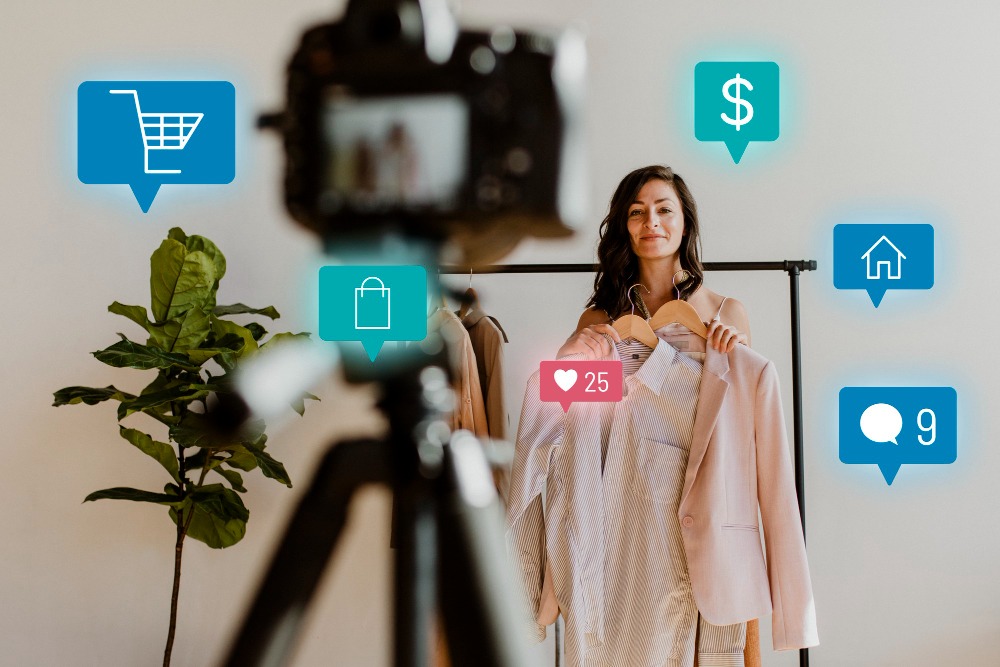
Influencer marketing is a type of marketing where businesses collaborate with individuals who have built a loyal audience on social media or digital platforms. These individuals, known as influencers, create content and share their experiences with products or services.
Unlike traditional advertising, influencer marketing often feels more personal. Instead of seeing a polished commercial, people watch someone they follow using a product in their daily life.
The influencer could be:
- A YouTuber.
- An Instagram creator.
- A travel blogger.
- A fitness coach.
- A technology reviewer.
- A food vlogger.
- A business expert.
- A lifestyle content creator.
The size of the audience isn’t always the most important factor. Sometimes, a smaller influencer with an engaged community can deliver better results than someone with millions of followers.
At its core, influencer marketing is about building trust through genuine recommendations.
Why Has Influencer Marketing Become So Popular?
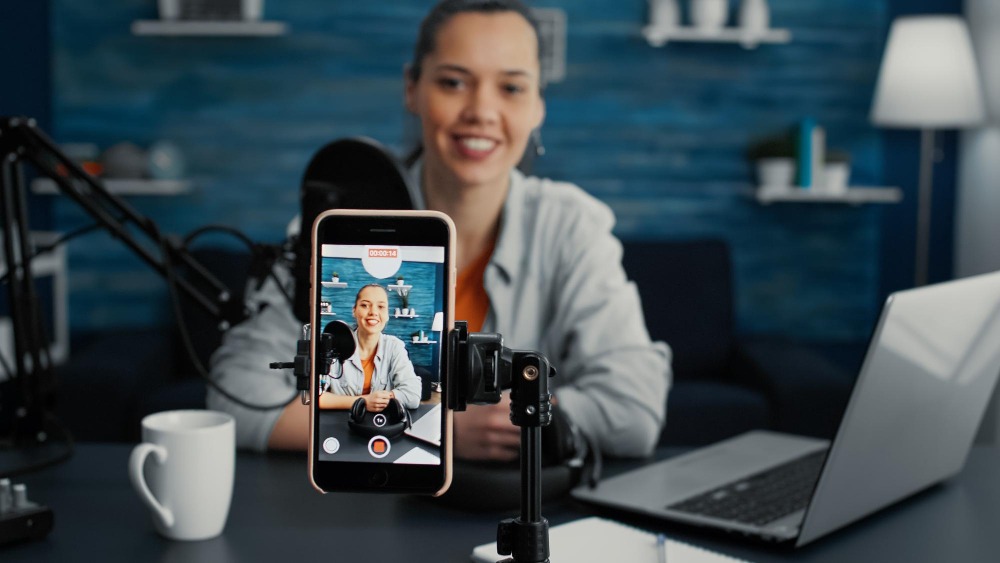
Consumer behaviour has changed over the years.
People are exposed to hundreds of advertisements every day. As a result, many have learned to ignore traditional promotions.
However, people still pay attention to recommendations from individuals they trust.
Imagine you want to buy a new smartphone.
Would you believe a television advertisement that says it’s the best phone ever made, or would you prefer watching a detailed review from someone who has actually used the device?
Most people would choose the second option.
That’s exactly why influencer marketing works.
It creates conversations instead of simply delivering advertisements.
How Does Influencer Marketing Work?
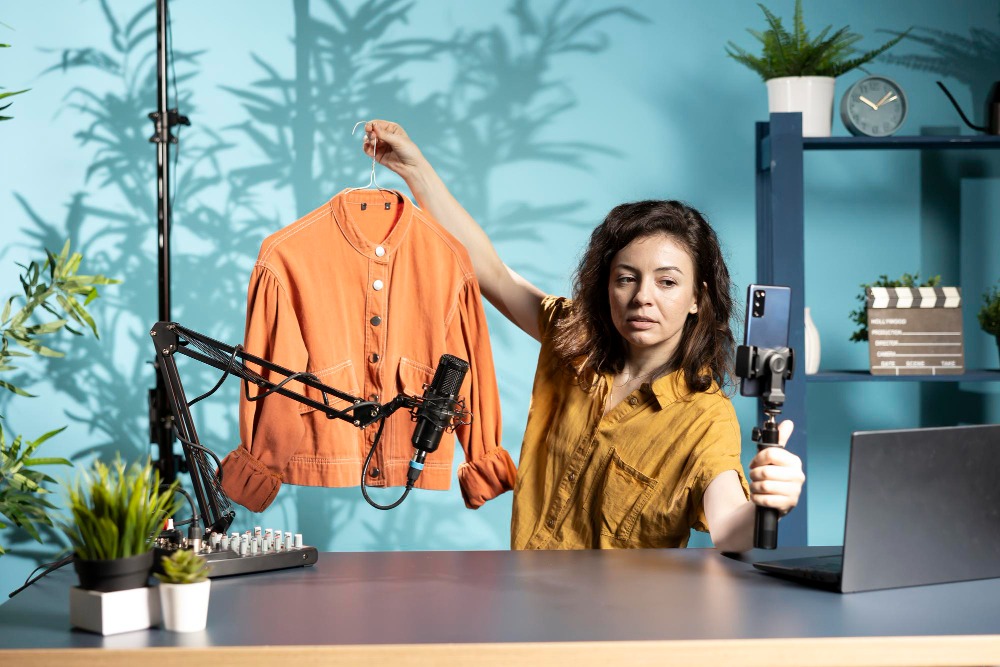
The process may look simple, but successful campaigns involve planning and strategy.
Typically, a business identifies influencers whose audience matches its target customers.
The influencer then creates content featuring the product or service.
This could include:
- Product reviews.
- Social media posts.
- Short videos.
- Live sessions.
- Tutorials.
- Behind-the-scenes content.
- Event coverage.
- Product launches.
- Giveaways.
The content is shared with the influencer’s audience, creating awareness and encouraging engagement.
Some collaborations are short-term, while others develop into long-term partnerships.
Different Types of Influencers
One of the biggest myths about influencer marketing is that bigger is always better.
In reality, influencers come in different categories.
Nano Influencers
These creators usually have smaller but highly engaged communities.
They often have strong personal relationships with their followers.
Micro Influencers
Micro influencers focus on specific industries or interests.
Their recommendations often feel authentic and relatable.
Macro Influencers
These creators have larger audiences and can provide broad exposure for brands.
Mega Influencers
These are celebrities or major public figures with millions of followers.
They offer significant reach but may not always provide the highest engagement.
Choosing the right influencer depends on business goals rather than follower count alone.
Why Does Your Business Need Influencer Marketing?
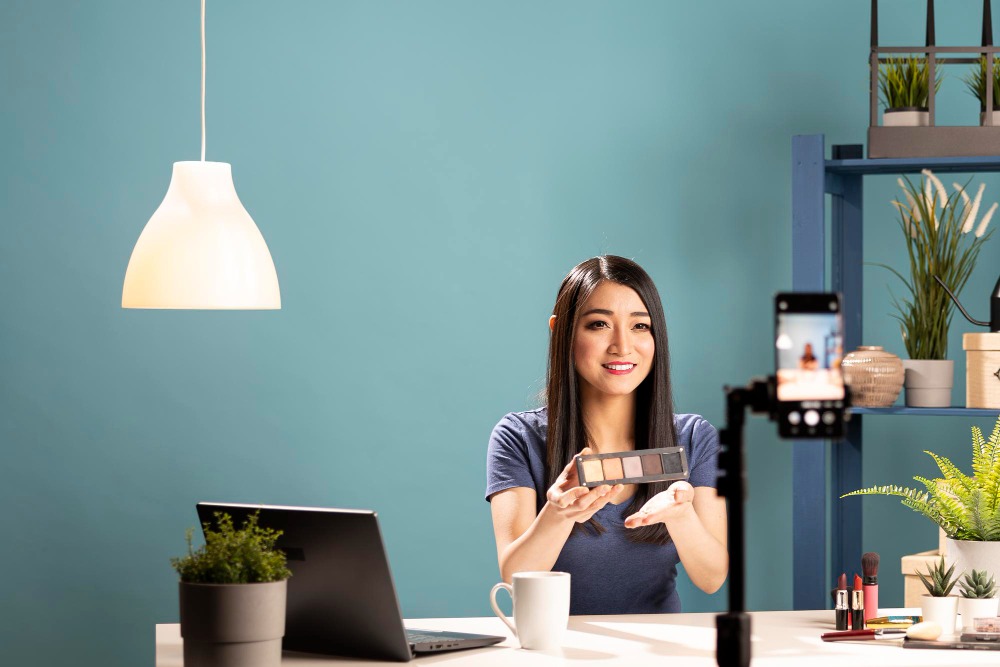
Many businesses hesitate because they believe influencer marketing is only a trend.
The reality is that it offers several practical benefits.
It Helps Build Trust
People trust people more than advertisements.
When an influencer shares their experience with a product, followers often see it as a recommendation rather than a sales pitch.
Building trust takes time, and influencer collaborations can support that process.
It Increases Brand Awareness
Many businesses struggle because potential customers simply don’t know they exist.
Influencer marketing introduces brands to new audiences.
Even if people don’t buy immediately, they become familiar with the business.
It Reaches the Right Audience
Traditional advertising often targets broad groups of people.
Influencer marketing allows businesses to connect with communities interested in specific topics.
A fitness influencer attracts fitness enthusiasts.
A technology creator attracts gadget lovers.
A travel blogger attracts travellers.
This targeted approach can improve campaign effectiveness.
It Creates Quality Content
Influencers are content creators.
They understand what their audience enjoys watching and reading.
Businesses often benefit from the creative content produced during collaborations.
It Encourages Customer Interaction
Unlike traditional advertisements, influencer content often starts conversations.
People ask questions.
They leave comments.
They share experiences.
This interaction helps businesses understand customer preferences.
Is Influencer Marketing Only for Big Brands?
Not at all.
Small businesses are increasingly using influencer marketing because it can fit different budgets.
A local bakery might collaborate with a food blogger.
A gym could partner with a fitness coach.
A clothing store might work with a fashion creator from the same city.
The goal isn’t to find the biggest influencer.
It’s to find someone whose audience matches the business.
Common Mistakes Businesses Make
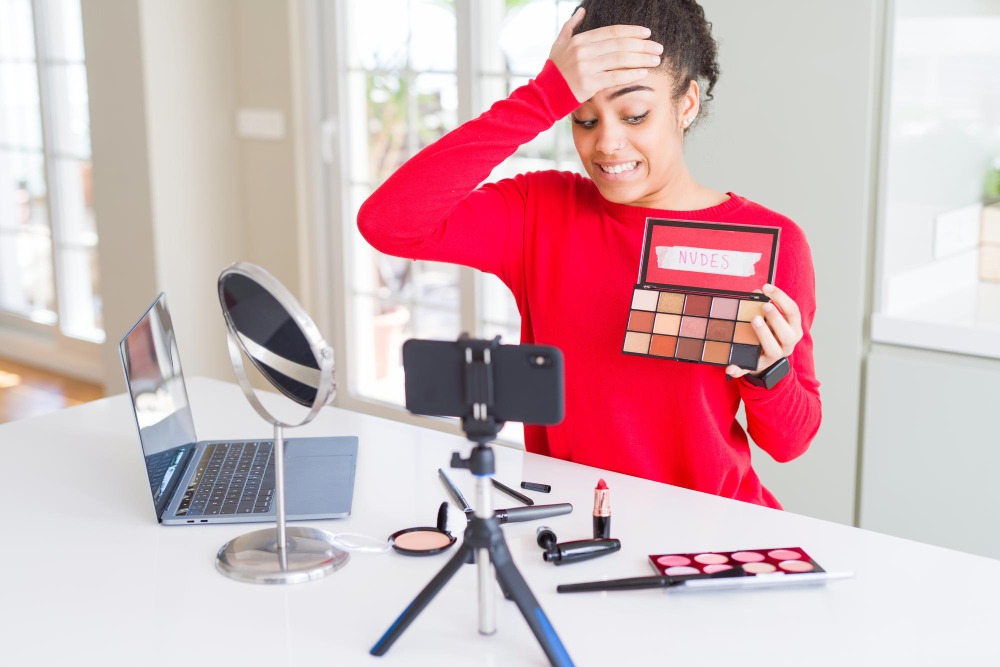
Not every influencer campaign succeeds.
Some businesses make avoidable mistakes.
Choosing Based on Followers Alone
A large audience doesn’t guarantee results.
Engagement and audience quality matter more.
Ignoring Audience Match
A technology influencer may not be the right choice for promoting beauty products.
Lack of Clear Goals
Businesses should know whether they want:
- Brand awareness.
- Website traffic.
- Lead generation.
- Product sales.
- Customer engagement.
Clear objectives help measure success.
Too Much Control
Influencers understand their audience.
Giving them creative freedom often leads to better results.
Expecting Instant Sales
Influencer marketing builds relationships and trust over time.
Immediate sales can happen, but long-term value is equally important.
How to Choose the Right Influencer
Businesses should consider several factors.
Audience
Who follows the influencer?
Do they match the target customer profile?
Engagement
Comments and interactions often matter more than follower numbers.
Reputation
A positive image is important because the influencer’s reputation can affect the brand.
Content Quality
Well-produced and authentic content often performs better.
Previous Collaborations
Looking at past campaigns can provide useful insights.
Measuring Success
Businesses often wonder whether influencer marketing actually works.
Success depends on the campaign objective.
Some useful metrics include:
- Website visits.
- Social media engagement.
- Brand mentions.
- Lead generation.
- Product inquiries.
- Sales.
- Follower growth.
- Content shares.
- Customer feedback.
- Return on investment.
Tracking results helps improve future campaigns.
Influencer Marketing and the Future
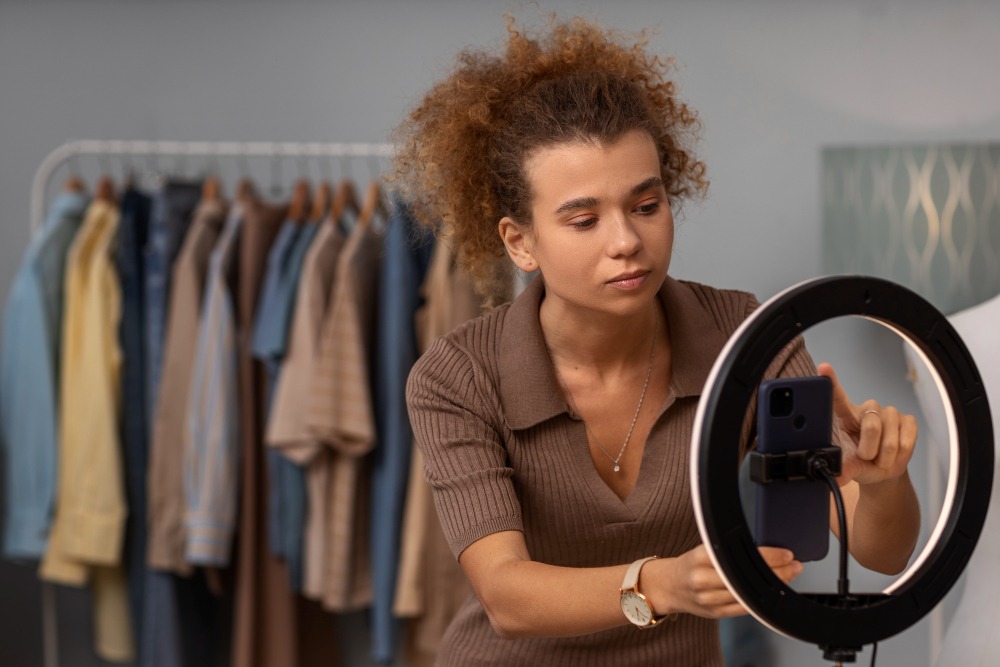
The marketing world continues to change.
Consumers want honesty and authenticity.
They prefer seeing real experiences rather than perfect advertisements.
This trend is encouraging businesses to build long-term relationships with creators rather than one-time promotional campaigns.
Live shopping, video content, podcasts, and community-based marketing are also creating new opportunities for influencer collaborations.
Businesses that adapt to these changes can stay connected with modern consumers.
Final Thoughts
Influencer marketing is not simply about paying someone to talk about a product. It’s about building trust, creating conversations, and connecting with audiences in a more natural way.
Businesses of all sizes can benefit from this approach when they choose the right partners and focus on authentic relationships.
A successful influencer campaign doesn’t always come from the person with the largest audience. Sometimes, the biggest impact comes from someone whose followers genuinely trust their recommendations.
As customer behaviour continues to evolve, influencer marketing is likely to remain an important part of modern business growth.
Frequently Asked Questions
1. What is influencer marketing?
Influencer marketing is a strategy where businesses collaborate with content creators to promote products or services to their audience.
2. How does influencer marketing help businesses?
It increases brand awareness, builds trust, reaches target audiences, and can support sales and lead generation.
3. Is influencer marketing expensive?
Campaign costs vary depending on the influencer and project. Businesses of different sizes can find options that suit their budget.
4. Can small businesses use influencer marketing?
Yes. Many small businesses work with local and niche influencers to reach potential customers.
5. Which platforms are best for influencer marketing?
Instagram, YouTube, Facebook, LinkedIn, and other social platforms can be effective depending on the target audience.
6. How do businesses choose the right influencer?
They consider audience, engagement, reputation, content quality, and campaign goals.
7. How long does an influencer campaign take?
Campaign duration depends on objectives and may range from a few days to several months.
8. How is influencer marketing different from celebrity endorsement?
Influencers typically focus on specific communities, while celebrities often have a broader audience.
9. Can influencer marketing improve sales?
It can increase awareness and trust, which may lead to more customer inquiries and sales.
10. How do businesses measure influencer marketing success?
They track engagement, website traffic, leads, conversions, sales, and return on investment.
Want More People to Discover Your Business?
Influencer marketing can help people learn about your brand, but turning that attention into quality leads often requires a strong digital advertising strategy. Businesses that combine influencer collaborations with targeted PPC campaigns can reach customers at different stages of the buying journey.
Adworth Media Pvt Ltd provides PPC advertising services designed to help businesses improve online visibility and generate relevant leads. Whether you’re promoting a new product, launching a campaign, or expanding your customer base, a well-managed PPC strategy can complement your marketing efforts and help you connect with potential customers actively searching for your services.
A balanced approach that combines influencer marketing with performance-driven advertising can help businesses build awareness while achieving measurable results.