Mall Activations
When people visit a shopping mall, they usually have a few things in mind. Some come to shop, some meet friends, and others simply spend time with their families. Most visitors are not actively looking for advertisements. This is where mall activations create an opportunity for brands to connect with people in a more natural way.
Instead of asking people to watch an advertisement or read a promotional message, mall activations invite them to take part in an experience. They can try a product, play a small game, ask questions, participate in an activity, or speak directly with a brand representative.
This simple difference can change how people respond to a brand. They are no longer just seeing a name or logo. They are spending time with the brand and getting a chance to understand what it offers.
What Are Mall Activations?
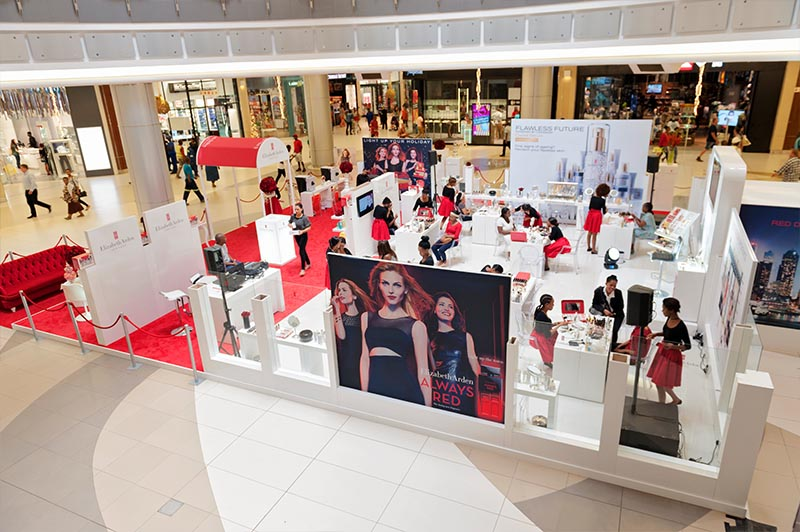
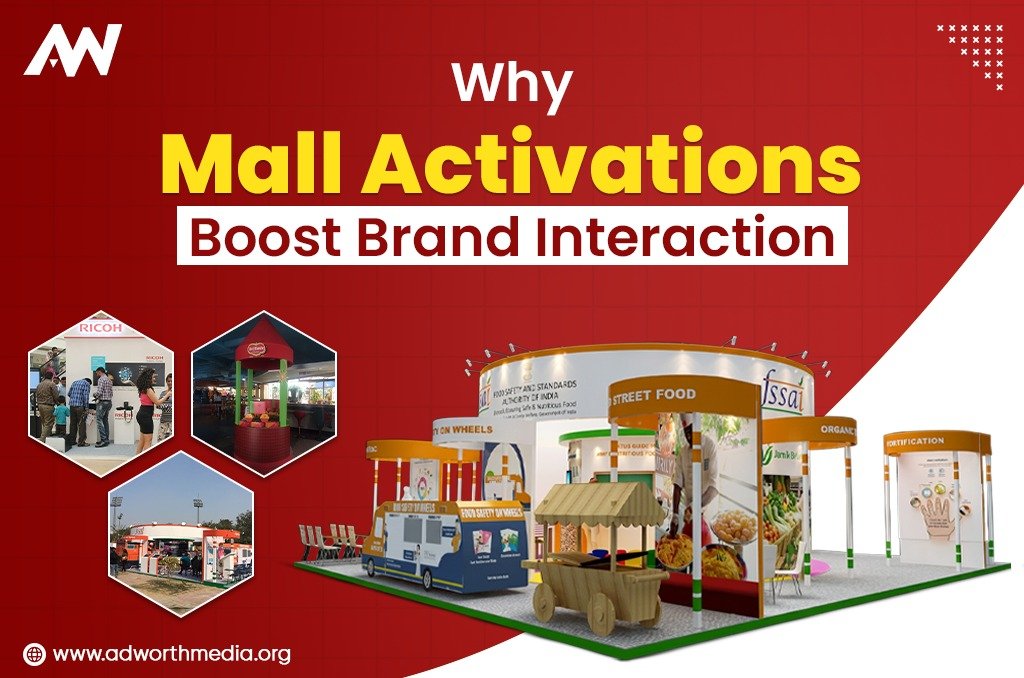
Mall activations are promotional activities organised inside shopping malls to attract visitors and encourage them to interact with a brand. These activities may take place near the main entrance, in the central atrium, outside a retail store, or in another high-footfall area of the mall.
The activity depends on the brand, its target audience, and the purpose of the campaign.
For example, a skincare company might offer product trials, while a food brand could arrange tasting sessions. A technology company may let visitors try a new device, and a children’s brand might organise an activity for families.
The main purpose is not always to make an immediate sale. Sometimes, the goal is to introduce a new product, collect customer feedback, build awareness, or encourage people to remember the brand when they need it later.
Why Mall Activations Boost Brand Interaction

1. People Can Experience the Product Instead of Just Hearing About It
One of the biggest advantages of mall activations is that customers can experience a product before deciding whether they like it.
Think about a person who is planning to buy a new pair of headphones. An online advertisement may tell them about the sound quality, comfort, and features. However, trying the headphones in person can give them a better idea of how they actually feel and sound.
The same applies to cosmetics, food products, household items, electronics, and many other categories.
When people can test a product, ask questions, and form their own opinions, the interaction becomes more useful. It also gives the brand a chance to address doubts that an advertisement may not answer.
2. Face-to-Face Communication Builds Trust
Customers often have questions before buying something. They may want to know how a product works, whether it suits their needs, or how it compares with other options.
At a Mall Activation Agency, a trained brand representative can answer these questions directly.
This conversation does not need to be long. Even a short, helpful explanation can make the brand feel more approachable. Customers also have an opportunity to share their concerns instead of simply receiving a sales message.
However, the quality of the interaction matters. If the staff are too pushy or keep asking visitors to buy something, people may walk away. A friendly conversation that respects the customer’s choice usually creates a better experience.
3. Interactive Activities Make Brands More Memorable
People see many advertisements every day, and it is easy to forget most of them. An activity that involves participation can be easier to remember because visitors become part of the experience.
For example, a fitness brand could organise a simple fitness challenge. A home appliance company might demonstrate a product through a live cooking session. A mobile phone brand could let visitors test its camera by taking photographs at a specially designed display.
These activities give visitors something to do rather than just something to look at.
The important point is that the activity should connect with the product or the brand’s message. A game may attract a crowd, but if people cannot understand what the brand offers, the campaign may create attention without much real value.
4. Malls Bring Different Types of Customers Together
Shopping malls attract people with different interests, lifestyles, and spending habits. Depending on the location and the time of day, visitors may include students, working professionals, families, tourists, and regular shoppers.
This gives brands an opportunity to reach a relevant audience in one physical location.
For instance, a children’s products brand may find family-oriented malls useful, while a premium lifestyle brand may prefer a mall where its target customers regularly shop.
The key is to select the location carefully. A mall with high footfall is not automatically the right choice for every brand. The audience, the shopping environment, the placement of the activation, and the campaign objective all matter.
5. Product Demonstrations Can Help Customers Make Decisions
Some products are difficult to explain through a short advertisement. Customers may need to see how they work before they understand their benefits.
Mall activations make this possible through live demonstrations.
A kitchen appliance brand could show how a product saves time during everyday cooking. A technology company could demonstrate a useful feature on a device. A personal care brand could explain the correct way to use a product.
These demonstrations help turn product features into practical benefits.
Instead of simply saying that a product is easy to use, the brand can show visitors how it works. This can reduce confusion and help customers decide whether the product is suitable for them.
6. Brands Can Receive Immediate Customer Feedback
Mall activations are also useful for learning about customers.
During a campaign, visitors may ask questions that the marketing team had not considered. They may show interest in one feature but ignore another. They may also explain why they prefer a competing product or what they find confusing about the current offering.
This feedback can help brands improve their messaging, product demonstrations, and future campaigns.
For example, if several visitors ask about product maintenance, the brand may realise that its promotional material needs to explain maintenance more clearly.
Of course, feedback from a mall activation does not represent every customer. The people who stop at a booth may have different interests from those who walk past. Still, their questions and responses can provide useful practical insights.
How Different Industries Can Use Mall Activations
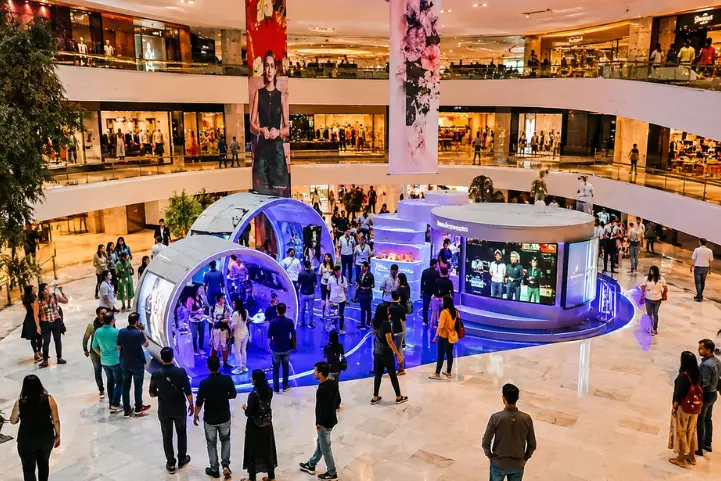
Mall activations can work across several industries, but the activity should match the product and the people the brand wants to reach.
FMCG and food brands: Sampling sessions, tasting counters, product demonstrations, and simple product comparisons can encourage visitors to try something new.
Beauty and personal care brands: Product trials, skincare consultations, demonstrations, and personalised recommendations can help customers understand how products may fit into their routines.
Electronics and technology brands: Hands-on product testing, live demonstrations, interactive displays, and guided trials can help visitors understand features that may be difficult to explain in an advertisement.
Automobile brands: Displaying a vehicle inside a mall gives visitors an opportunity to explore its design, interior, and features. Depending on the location and permissions, the campaign may also encourage test-drive enquiries.
Education and training companies: Career guidance sessions, course information counters, short assessments, and counsellor interactions can help students and parents understand available options.
Real estate brands: Project information displays, virtual property tours, location presentations, and consultation desks can help interested visitors learn more before arranging a site visit.
In each case, the aim should be to give people a reason to interact. A display with attractive branding may catch attention, but a useful activity gives visitors something more valuable to take away.
How to Plan a Mall Activation That People Actually Enjoy
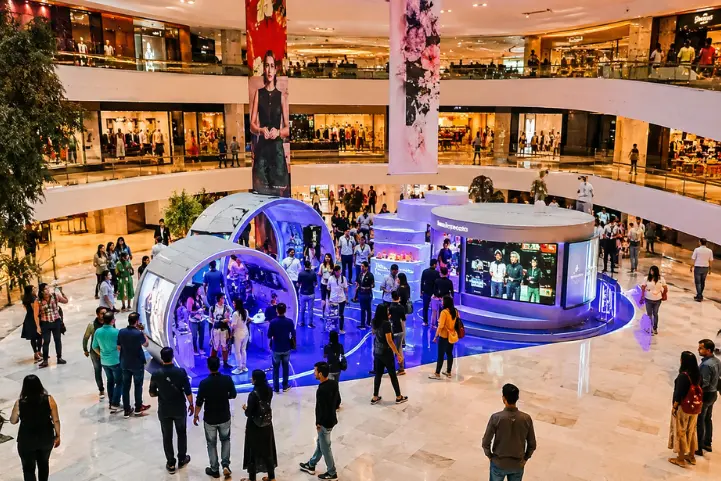
A successful activation needs more than an attractive stall. The planning should begin with a clear understanding of what the brand wants to achieve.
Start With One Clear Objective
Before choosing a concept, decide what success should look like.
Is the campaign meant to introduce a new product, encourage product trials, collect qualified leads, increase awareness, or support sales at a nearby store?
Trying to achieve every objective at once can make the activity confusing. A clear goal helps the team decide what to display, what to say, and what action visitors should take.
Choose the Right Mall and Location
The right location can make a noticeable difference. A busy entrance may generate visibility, while a quieter area with enough space may be better for a detailed product demonstration.
Brands should consider the mall’s audience, visitor movement, nearby stores, available space, permissions, and campaign timings before finalising a location.
It is also useful to understand how people move through the area. If visitors are rushing towards an exit or standing in a crowded passage, they may not have the time or space to participate.
Keep the Activity Simple
Visitors should understand what the activity is about within a few seconds.
If they need a long explanation before they can participate, many will keep walking. A simple demonstration, a short trial, or a clearly explained challenge can make the first interaction easier.
The activity should also be accessible to the intended audience. If it requires too much effort or takes too long, visitors may lose interest.
Train the Team Properly
The people managing the activation represent the brand. They should understand the product, know how to explain its benefits, and be prepared to answer common questions.
They should also know when to give visitors space. Not everyone who stops is ready to buy, and not everyone who walks past is interested in speaking with a representative.
A good team makes visitors feel welcome without putting pressure on them.
Give Visitors a Useful Next Step
An interaction should have a clear next step when it makes sense for the campaign.
This could be a product information page, a store visit, a demonstration booking, a coupon, or a request for more information. The next step should be relevant to what the visitor has just experienced.
For lead generation, brands should explain why they are collecting contact details and obtain the visitor’s consent. Collecting a large number of contacts is not useful if those people never showed genuine interest in the product.
How Can Brands Measure the Results of Mall Activations?
A campaign can attract a large crowd and still fail to meet its objective. This is why brands should decide how they will measure performance before the activation begins.
Some useful measures include:
Visitor interactions: Count how many people actively participated, rather than only counting those who passed the display.
Product trials or demonstrations: Record how many visitors tried the product or watched a demonstration.
Qualified leads: Track the number of people who willingly shared their details and showed genuine interest in the offering.
Conversions: Where possible, measure purchases, enquiries, appointments, or other actions that happened during or after the campaign.
Customer feedback: Record common questions, objections, product preferences, and comments from visitors.
Cost per meaningful interaction: Compare the campaign cost with the number of useful interactions generated. This can help brands evaluate whether the activity was worth the investment.
A QR code, a campaign-specific landing page, a unique coupon, or a dedicated enquiry form can help connect offline interactions with online responses. These methods do not capture every visitor, but they can provide additional information about what happens after the activation.
Brands should also allow enough time to assess results. Someone who tries a product today may make a purchase several days later. Looking only at immediate sales may overlook some of the campaign’s contribution.
Combining Mall Activations With Digital Advertising
Mall activations can work well on their own, but they can become more useful when connected with digital marketing.
For example, a brand could run a PPC advertising campaign before an activation to reach people in the selected area and inform them about the event. During the campaign, visitors could use a QR code to explore the product or request more information. After the event, the brand could direct interested users to a relevant landing page or use consent-based follow-up communication.
Paid search advertising can help reach people who are already searching for a product or service. Paid social campaigns can help promote an event or introduce a brand experience to a relevant audience. The choice depends on the campaign’s goals and the platforms where the intended audience is active.
The online and offline messages should also match. If an advertisement promises a product demonstration or a special offer, visitors should find the same experience at the mall.
This connection gives the brand a better opportunity to understand the customer journey, from the first advertisement to the in-person interaction and any later enquiry or purchase.
Common Mistakes Brands Should Avoid

Even a well-funded mall activation can underperform when the experience is poorly planned.
One common mistake is focusing only on the stall design. Attractive branding helps, but it cannot replace a useful activity or a clear message.
Another mistake is choosing a location based only on footfall. A large number of visitors does not guarantee that the right audience will stop.
Some brands also make the interaction too complicated. Long forms, lengthy explanations, and activities with unclear instructions can discourage participation.
A further problem is failing to follow up on genuine enquiries. If someone requests a product brochure or a consultation, the brand should have a clear process for responding.
Finally, brands should avoid judging the campaign only by the number of people who visited the stall. The quality of the interactions and the actions taken afterwards are equally important.
The Future of Mall Activations
Mall activations are changing as customer expectations change. People increasingly expect experiences to be relevant, easy to understand, and worth their time.
Brands can make activations more useful by combining physical experiences with digital tools. Interactive screens, QR-based product information, digital coupons, virtual demonstrations, and appointment booking options can help visitors continue their journey after leaving the mall.
However, technology should support the experience rather than become the main attraction. A simple activity with a helpful team may work better than an expensive digital setup that does not give visitors a clear reason to participate.
Personalisation can also make a difference. Instead of giving every visitor the same information, staff can ask a simple question and guide people towards the product or information that suits their needs.
The best approach will depend on the audience, the product, and the campaign budget. The goal remains the same: give people a useful reason to stop, take part, and remember the brand.
Conclusion
Mall activations boost brand interaction because they give people a chance to do more than see an advertisement. Visitors can try products, ask questions, take part in activities, and speak directly with the people behind a brand.
For businesses, these interactions can create opportunities to build awareness, understand customer preferences, generate enquiries, and support sales. But the results depend on the planning, the relevance of the activity, the quality of the team, and the way success is measured.
When combined with a clear marketing strategy, mall activations can become a valuable part of a wider brand campaign.
Plan Your Next Brand Campaign With Adworth Media
A good brand campaign should give people a reason to notice your business and take the next step. Adworth Media Pvt. Ltd. works across advertising and brand promotion, including BTL events, digital promotion, outdoor advertising, and paid advertising campaigns.
If your business wants to connect offline brand experiences with online lead generation, a well-planned PPC campaign can help you reach relevant audiences, bring more visitors to your landing pages, and measure campaign responses.
Visit Adworth Media to explore its advertising services and discuss a campaign that fits your business goals.
Frequently Asked Questions (FAQs)
1. What is a mall activation?
A mall activation is a promotional activity held inside a shopping mall to encourage people to interact with a brand. It may include product demonstrations, sampling, games, live experiences, or information counters.
2. Why are mall activations effective for brands?
They allow customers to experience products, ask questions, and communicate directly with brand representatives. This can help improve awareness, product understanding, and customer engagement.
3. Which brands can benefit from mall activations?
Food and beverage, beauty, personal care, electronics, automobile, education, real estate, and lifestyle brands can all use mall activations. The activity should be designed around the product and its target audience.
4. How do you measure the success of a mall activation?
Brands can measure participation, product trials, qualified leads, enquiries, sales, customer feedback, and the cost of generating meaningful interactions. The right measures depend on the campaign objective.
5. Are mall activations suitable for small businesses?
Yes. Small businesses can run focused activities such as product sampling, demonstrations, or promotional counters. Choosing the right audience and keeping the activity simple can be more important than spending heavily on the setup.
6. How can PPC advertising support mall activations?
PPC advertising can help promote an activation before it begins, reach relevant audiences, and direct interested people to a landing page. After the event, suitable campaigns can help continue engagement and generate enquiries.
7. How can a brand encourage more people to participate?
Use a clear message, a relevant activity, an easy way to participate, and a friendly team. Visitors are more likely to engage when they understand the benefit and do not feel pressured to buy.
8. How can Adworth Media help with brand promotion?
Adworth Media offers advertising and promotional services, including BTL events, digital promotion, outdoor advertising, and related campaign support. Businesses can contact the team to discuss their marketing objectives and suitable advertising options.